
As the Chinese New Year approaches, the kitchen fills with vibrant scents reminiscent of family gatherings and festive celebrations. I remember the first time I tasted Nian Gao – this deliciously sticky sweet rice cake that seemed to embody joy and prosperity. It has since become an essential treat in my home, lovingly tailored to reflect both tradition and a modern flair.
This Sweet and Spicy Nian Gao recipe is a delightful spin on a classic, blending the comforting warmth of ginger with the fragrant citrus notes of orange zest. Not only is it gluten-free, but its soft, chewy texture is enchanting, making it the perfect dessert to share with family and friends during this festive season. Whether you’re a seasoned chef or a novice in the kitchen, this recipe will elevate your culinary repertoire and bring a sense of celebration to any gathering. Join me as we create this delectable treat that’s sure to impress and delight!

Why is Nian Gao a Must-Try?
Tradition and Trend: Nian Gao is a beloved tradition, representing prosperity during Chinese New Year celebrations. It marries classic flavors with a modern twist, making it perfect for every palate.
Simple Preparation: With straightforward steps, even those new to cooking can whip it up with ease.
Unique Flavor Profile: The combination of spicy ginger, sweet orange zest, and rich molasses adds depth, creating a truly special dessert.
Gluten-Free Delight: Enjoy this delightful cake knowing it caters to gluten-free diets without sacrificing flavor or texture.
Crowd Pleaser: Whether you’re serving guests or gifting friends, this cake is bound to spark joy and conversation, making it a fabulous addition to any festive table.
Nian Gao Ingredients
• Create your perfect Nian Gao with these essential ingredients!
For the Batter
- Vegetable Oil – For greasing pans and adding moisture; can replace with canola oil if preferred.
- Water – Hydrates the flours and helps dissolve sugar; adjust based on humidity levels for best results.
- Ginger – Infuses a warm spice and aroma; feel free to omit for a milder taste.
- Dark Brown Sugar or Brown Rock Sugar – Provides a rich sweetness; substitute with light brown sugar for a lighter flavor.
- Allspice Powder – Adds depth and complexity to the sweetness of the batter.
- Glutinous Rice Flour – Essential for the unique chewy texture; never swap with regular rice flour.
- Rice Flour – Helps balance the cake’s texture, preventing it from becoming too dense.
- Vanilla Extract – Enhances the sweet profile; almond extract can be an interesting alternative.
- Dark Molasses – Contributes a deeper, richer sweetness to the cake.
- Orange Zest – Brings a fragrant citrus note that elevates the flavor; lemon zest is a great substitute for a tangy touch.
- Dried Dates (optional) – Great for decoration and adding a burst of extra sweetness.
How to Make Nian Gao
-
Prepare the Pans: Brush two 8-inch round baking pans generously with vegetable oil to ensure the cake comes out easily after steaming, creating that delightful sticky finish.
-
Infuse Water with Ginger: In a pot, bring 2 cups of water and sliced ginger to a gentle boil. Let it simmer for about 10 minutes until the ginger infuses its warmth, then dissolve sugar and allspice into your fragrant mixture.
-
Mix the Batter: In a large mixing bowl, combine glutinous rice flour with regular rice flour. Gradually stir in the ginger-water mixture until smooth. Next, fold in vanilla, dark molasses, orange zest, and vegetable oil. Adjust the consistency to be thick but pourable, similar to condensed milk.
-
Pour and Tap: Divide the beautifully mixed batter between the prepared pans, tapping them gently on the countertop to release any pesky air bubbles. For an extra touch, you can arrange dried dates atop the batter.
-
Steam: Carefully place the pans in a double-decker bamboo steamer on high heat. Allow the Nian Gao to steam for about 1 hour. Check doneness by inserting a toothpick—if it comes out clean, your cake is ready!
-
Serve: Once steamed, let the Nian Gao cool completely. Slice into pieces and pan-fry for a deliciously crispy exterior that contrasts wonderfully with the chewy interior, if desired.
Optional: Garnish with toasted sesame seeds for added texture and flavor.
Exact quantities are listed in the recipe card below.
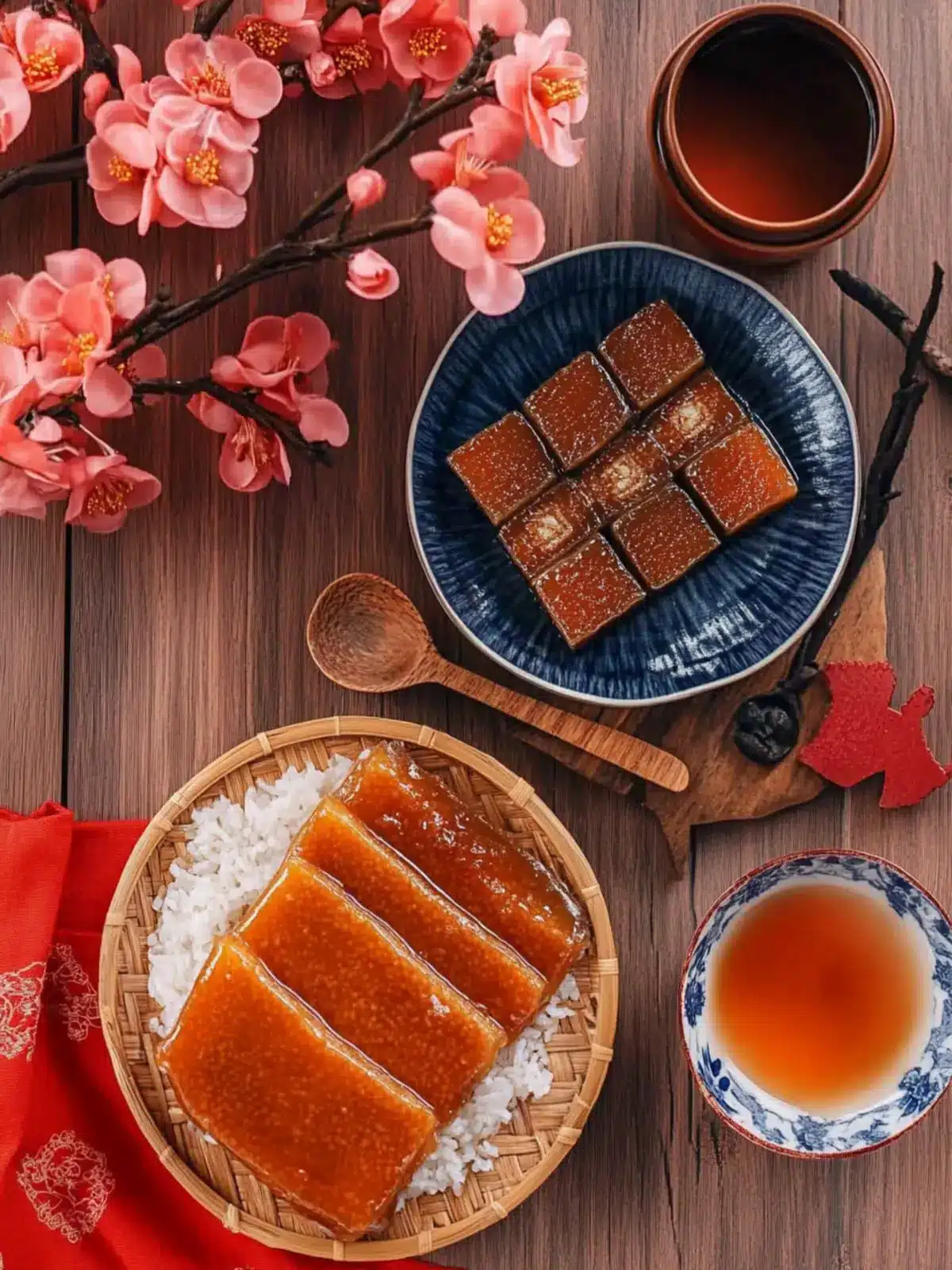
Expert Tips for Nian Gao
-
Steam Smart: Ensure your bamboo steamer fits snugly over the pot to prevent steam from escaping, which is crucial for properly cooking the Nian Gao.
-
Adjust Consistency: If your batter is too thick, gradually stir in more water until it resembles a pourable consistency like condensed milk. This will help achieve the desired texture.
-
Doneness Check: Test the Nian Gao by inserting a toothpick into the center. If it comes out clean, your cake is perfectly steamed.
-
Manage Moisture: Keep a kettle of hot water nearby while steaming to add if needed. This maintains a consistent steam temperature for the Nian Gao.
-
Pan-Frying Tips: If you pan-fry the slices after steaming, use a touch of oil and medium heat to create a crispy exterior without burning the cake.
What to Serve with Sweet and Spicy Nian Gao?
Create a stunning spread to savor every bite of this delightful rice cake!
- Chinese Tea: The warmth and mild bitterness of green or oolong tea perfectly balance the sweetness of Nian Gao, enhancing its flavors.
- Steamed Dumplings: Add a savory element with juicy steamed dumplings, providing a delightful contrast to the sweet rice cake. Try pork-filled or vegetarian options for variety.
- Stir-Fried Vegetables: Colorful vegetables stir-fried with ginger and garlic offer a crunchy texture that complements the soft, chewy Nian Gao perfectly.
- Sesame Balls: Craving a sweet treat? These crispy, chewy sesame balls provide a nutty contrast that pairs well with Nian Gao’s sticky richness.
- Fruit Salad: Consider a fresh fruit salad with citrus and berries. The bright, refreshing tastes clean the palate and enhance your dessert experience.
- Coconut Milk Soup: A warm coconut milk soup infused with pandan leaves creates a deliciously creamy side that harmonizes beautifully with the spicy sweetness of the cake.
- Red Bean Paste: This traditional sweet can be served as a dip or topping, offering a rich, comforting taste that complements the flavors of the Nian Gao.
- Lychee Sorbet: For a refreshing finish, serve a scoop of lychee sorbet alongside your Nian Gao for a cool, fruity contrast against the cake’s chewy texture.
- Jasmine Rice: A simple side of jasmine rice can lend a neutral base to balance the sweetness, making for a rounded meal.
- Sparkling Water or Ginger Ale: Keep your beverages light and refreshing with sparkling water or ginger ale, enhancing the festive spirit.
Nian Gao Variations & Substitutions
Feel free to bring your unique flair to this Nian Gao recipe with these delightful twists and swaps!
- Dairy-Free: Replace any butter or cream with coconut milk for a rich, tropical flavor that complements the sweetness beautifully.
- Nutty Surprise: Add chopped walnuts or hazelnuts into the batter for a pleasant crunch and nutty depth that contrasts with the cake’s chewy softness.
- Spicy Kick: Sprinkle some crushed red pepper flakes or a hint of Sichuan peppercorns into the batter for an unexpected heat that intertwines with the sweetness.
- Fruity Zest: Toss in some finely chopped dried fruits like apricots or figs to add bursts of fruity flavor and a chewy texture that complements the traditional profile.
- Cocoa Twist: Incorporate a few tablespoons of unsweetened cocoa powder into the batter for a chocolatey twist, creating a unique fusion of flavors that’s sure to impress.
- Herbal Infusion: Experiment with combining fresh herbs like mint or basil with orange zest for a fresh, aromatic twist that brightens each bite.
- Colorful Layers: Create visual interest by layering the batter with different colors of food-safe natural coloring, such as matcha powder for a vibrant green layer.
- Nut-Free: Swap nuts for seeds, such as sunflower or pumpkin seeds, which offer a delightful crunch while keeping the dessert allergen-friendly.
Explore these variations and transform your Nian Gao into a mesmerizing centerpiece for your festive celebrations!
Make Ahead Options
Planning to prepare Nian Gao ahead of time is a fantastic way to save time during busy days! You can make the batter and refrigerate it up to 24 hours in advance—just be sure to stir it well before pouring into the pans. Additionally, you can steam the Nian Gao and refrigerate it for up to 3 days. When you’re ready to serve, simply slice the chilled cakes and pan-fry pieces until golden for that crispy texture. This method not only saves you time but also ensures that your Nian Gao remains just as delicious, ready to bring joy to your table with minimal effort!
How to Store and Freeze Nian Gao
-
Room Temperature: Nian Gao can be kept at room temperature for up to 2 days in an airtight container. This will keep its delightful chewy texture intact.
-
Fridge: If you want to store it longer, refrigerate for up to a week. Wrap it in plastic wrap or place it in an airtight container to prevent it from drying out.
-
Freezer: For longer storage, freeze slices of Nian Gao in a single layer in a freezer-safe container for up to 3 months. Thaw in the fridge overnight before use.
-
Reheating: To enjoy leftovers, reheat slices in a pan over medium heat until golden brown. This will enhance the texture while bringing back that irresistible warmth and flavor.
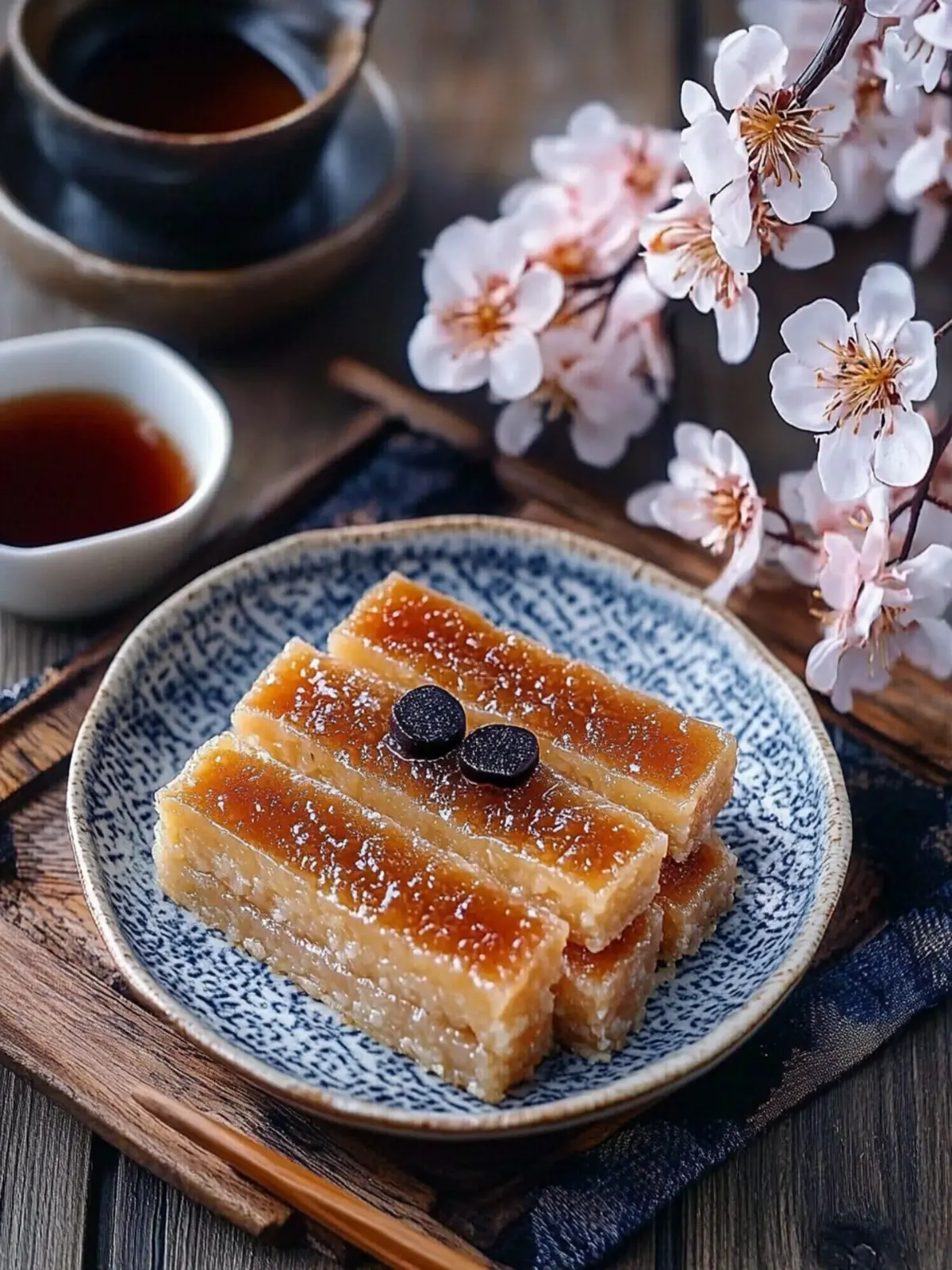
Nian Gao (Chinese New Year Sweet Rice Cake) Recipe FAQs
How do I choose the right ginger for Nian Gao?
Absolutely! When selecting ginger, look for fresh, firm roots that are free of dark spots and wrinkles. Younger ginger has a smoother texture and a milder flavor, making it a wonderful addition. If the skin is thin and the color is vibrant, it means the ginger is fresh and will add the perfect warmth to your Nian Gao.
What is the best way to store leftover Nian Gao?
Very! You can store Nian Gao at room temperature in an airtight container for up to 2 days. If you want to keep it for longer, wrap it tightly in plastic wrap and refrigerate for up to a week. This prevents it from drying out, keeping that delightful chewy texture intact.
Can I freeze Nian Gao?
Definitely! For longer storage, slice the Nian Gao and place the pieces in a single layer in a freezer-safe container or bag. You can freeze them for up to 3 months. When you’re ready to enjoy, simply thaw in the fridge overnight and then pan-fry for that crispy exterior you love!
What should I do if my Nian Gao is too sticky after cooking?
No worries at all! If your Nian Gao turns out too sticky, it might be due to excess water in the batter or cooking time. To fix this, ensure you properly measured your ingredients and steamed for the right duration. If you end up with a sticky cake, pan-frying slices can create a delicious crispy outer layer that balances out the texture perfectly.
Is Nian Gao suitable for people with allergies?
Absolutely! Nian Gao is gluten-free due to the use of glutinous rice flour. However, always double-check labels for additives or cross-contamination if you or someone you’re serving has food allergies. You can also omit optional ingredients like dried dates if there are concerns about specific allergies.
How far in advance can I make Nian Gao before serving?
Very! You can make Nian Gao a few days in advance to ensure it’s fresh for your celebration. Once it’s cooled completely, store it in an airtight container and refrigerate. To serve, pan-fry it right before guests arrive for an irresistible crispy texture that’ll impress everyone!
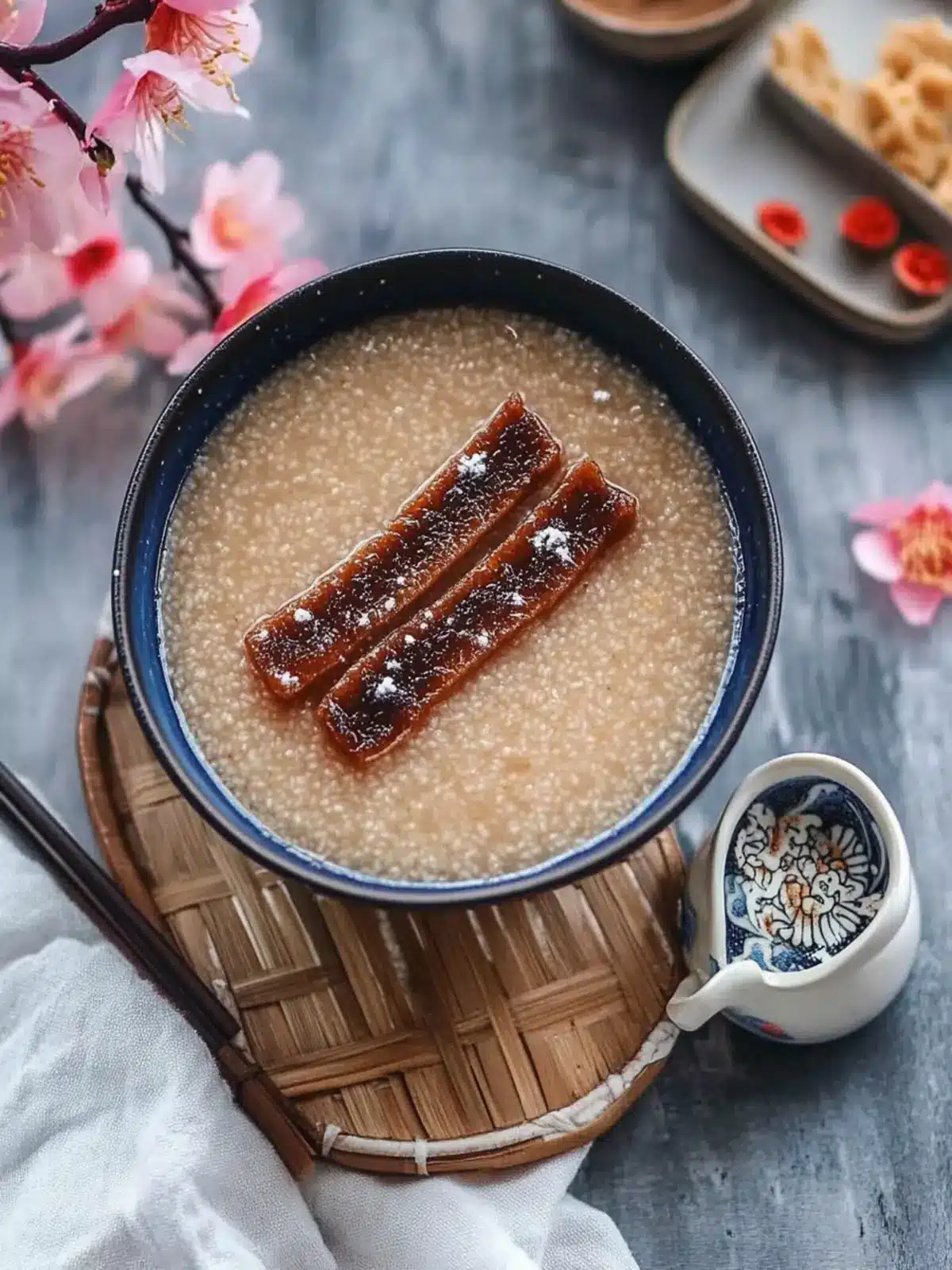
Delicious Nian Gao: A Sweet Twist for Chinese New Year Celebrations
Ingredients
Equipment
Method
- Brush two 8-inch round baking pans generously with vegetable oil to ensure the cake comes out easily after steaming.
- In a pot, bring 2 cups of water and sliced ginger to a gentle boil. Let it simmer for 10 minutes, then dissolve sugar and allspice into your mixture.
- In a large mixing bowl, combine glutinous rice flour with regular rice flour. Gradually stir in the ginger-water mixture until smooth, then fold in vanilla, dark molasses, orange zest, and vegetable oil.
- Divide the batter between the prepared pans, tapping them gently on the countertop to release air bubbles. Optionally arrange dried dates atop the batter.
- Place the pans in a bamboo steamer on high heat and steam for about 1 hour. Check doneness with a toothpick.
- Let the Nian Gao cool completely. Slice into pieces and optionally pan-fry for a crispy exterior.