
There’s something incredibly satisfying about the first crunch of golden-brown chicken katsu, perfectly coated in panko breadcrumbs. The moment that savory crispness meets a steaming heap of fluffy rice, draped in rich, savory Japanese curry, it’s a culinary embrace that warms the soul. I first discovered this dish during a cozy dinner at a friend’s home, where the aroma swirling through the kitchen promised comfort and care.
As I took that first bite, I realized this wasn’t just a meal; it was a tradition filled with flavor and heart—an experience that brings everyone together, from busy families to home chefs looking to impress. The beauty of Japanese Katsu Curry lies not only in its taste but also in its effortless charm; it transforms simple ingredients into an extraordinary delight.
Whether you’re craving a taste of Japan or simply seeking to impress dinner guests with minimal stress, this recipe brings joy and satisfaction straight to your table. Let’s dive into crafting this beloved classic together!

Why is Japanese Katsu Curry so beloved?
Comforting warmth: This dish combines crispy chicken katsu with rich, flavorful curry, providing a cozy hug on any chilly evening.
Easy preparation: With straightforward steps, even novice cooks can master this dish effortlessly.
Versatile ingredients: Feel free to customize veggies or swap proteins to suit your tastes or pantry items.
Family-approved: The appealing textures and flavors make it a hit with both kids and adults at the dinner table.
Want to learn more about creating delicious comfort meals? Check out our guide on popular comfort food recipes that will hit the spot!
Japanese Katsu Curry Ingredients
For the Chicken Katsu
• Boneless skinless chicken breasts – the star of your dish, providing tender, juicy protein.
• Salt – enhances flavor; feel free to adjust according to your taste preferences.
• Black pepper – adds a subtle warmth; freshly ground works best for maximum flavor.
• All-purpose flour – helps the egg and breadcrumbs adhere to the chicken for that perfect crust.
• Egg – acts as a binder; you can use a flax egg for a vegan alternative.
• Panko breadcrumbs – these Japanese-style breadcrumbs create an irresistible extra crunch.
• Vegetable oil – necessary for frying; keep an eye on temperature for optimal crispiness.
For the Curry Sauce
• Japanese Curry Roux – provides rich flavor and thickness, bringing that authentic taste.
• Yellow onion – adds sweet and savory depth; make sure to sauté until translucent.
• Russet potato – offers heartiness; substitute with sweet potato for a different flavor profile.
• Carrot – brings natural sweetness; fresh is best to retain a nice bite.
• Olive oil – for sautéing vegetables; feel free to use sesame oil for extra flavor.
• Garlic – creates a fragrant base; minced garlic gives the best intensity.
• Red apple – adds a hint of sweetness to balance the savory curry.
• Chicken stock – for a flavor boost; use vegetable stock for a meat-free version.
• Water – helps adjust the sauce’s consistency.
• Soy sauce – a splash adds umami richness; low-sodium versions are available if preferred.
• Honey – natural sweetness; you can opt for maple syrup as a vegan alternative.
For Serving
• Cooked white rice – the perfect base for the dish, soaking up all those delicious curry flavors!
How to Make Japanese Katsu Curry
- Butterfly the chicken breasts by slicing them horizontally along one side, leaving the other side intact. This helps the chicken cook evenly and become tender!
- Pound the chicken lightly to about ½ inch thickness for perfect texture, and season both sides with salt and pepper to enhance its flavor.
- Prepare three shallow dishes: fill one with flour, another with the lightly beaten egg, and the last with panko breadcrumbs for that irresistible crunch.
- Coat each chicken breast thoroughly, starting with flour, moving to the egg, and ending with panko breadcrumbs. Press the crumbs firmly to ensure they stick for extra crispiness.
- Heat about 1-2 inches of vegetable oil in a medium-sized deep pan over medium-high heat to 340°F (170°C). Cook one chicken katsu for 3 minutes, flip, and cook for another 3-4 minutes until it’s golden brown. Cool slightly on a wire rack before slicing into strips.
- Peel and dice the potato and carrot into 1-inch pieces. Soak the potato in water for about 10 minutes while you peel and wedge cut the onion and mince the garlic to prepare your veggies.
- Sauté the onion and garlic in a medium pot over medium heat with 1 tablespoon of oil until they are lightly browned and fragrant, filling the kitchen with delicious aromas!
- Add the carrot to the onions when they are translucent, cooking on medium-high for about 2 minutes until the carrot is tender.
- Incorporate the diced potato with another ½ tablespoon of oil and continue to cook on medium-high for about 2 minutes until slightly softened.
- Pour in the chicken stock, water, soy sauce, honey, and grated apple. Bring the mixture to a boil, then reduce the heat to medium-low, cover, and simmer until the potatoes and carrots are soft, about 15 minutes.
- Stir in the curry roux, mixing gently into the vegetables. Simmer on medium-low heat for another 15 minutes until the sauce thickens, stirring occasionally to prevent sticking.
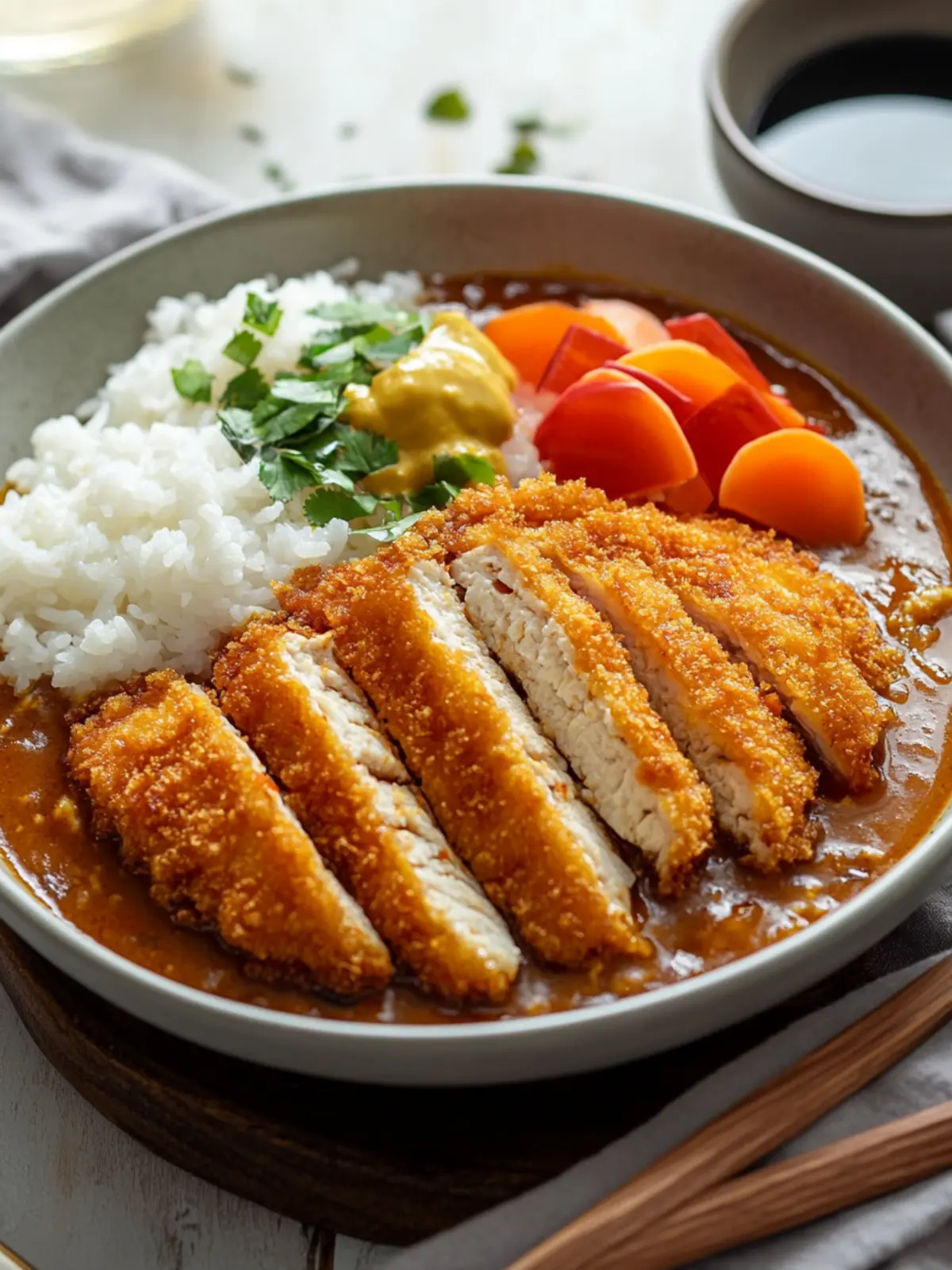
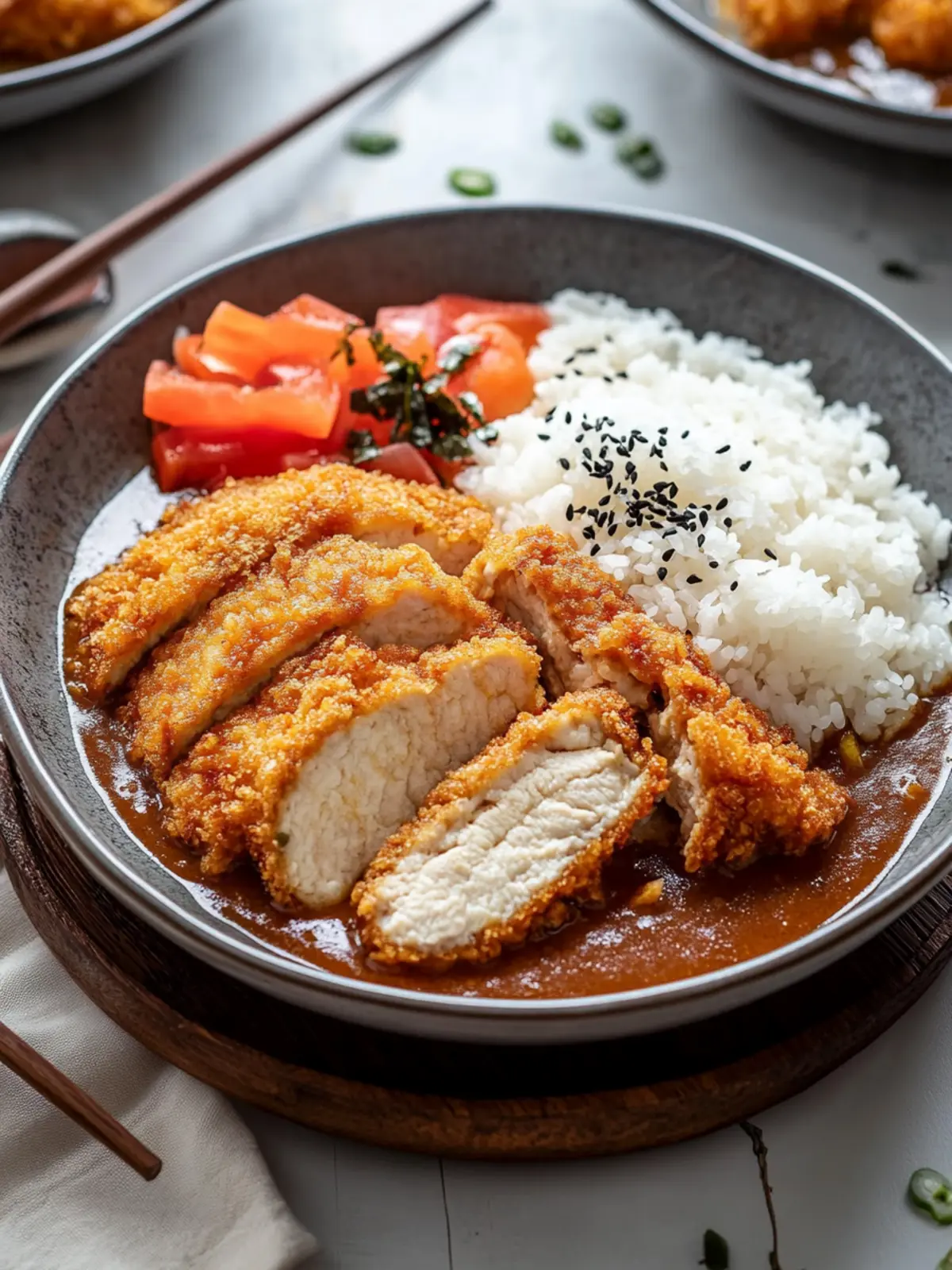
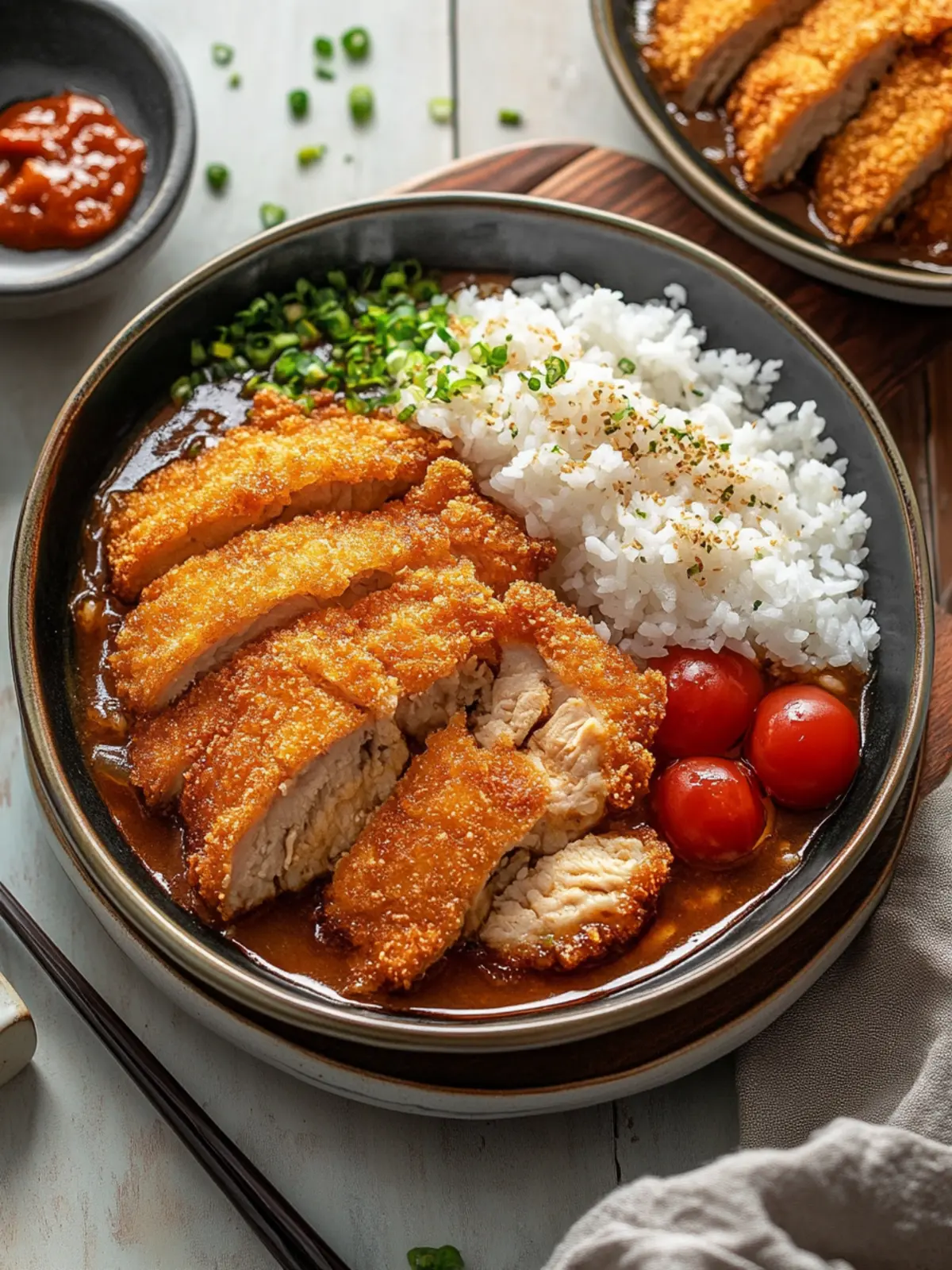
- Serve the sliced chicken katsu over a fluffy bed of cooked rice, generously draped with the savory Japanese curry for an unforgettable meal.
Optional: Garnish with finely chopped green onions for added freshness and color.
Exact quantities are listed in the recipe card below.
How to Store and Freeze Japanese Katsu Curry
Fridge: Store leftover Japanese Katsu Curry in an airtight container for up to 3 days. Allow it to cool completely before sealing to prevent condensation.
Freezer: Freeze the curry sauce separately from the chicken katsu in airtight containers for up to 3 months. Reheat in a pot or microwave until heated through.
Reheating: To reheat, simply thaw overnight in the fridge, then warm the curry on medium heat on the stove until simmering, and fry the katsu again for that crispy texture.
Chicken Katsu Storage: Store chicken katsu separately to maintain its crispiness. If leftover, refrigerate in a sealed container for up to 2 days, warming on a pan for best results.
Expert Tips for Japanese Katsu Curry
- Perfectly Pound Your Chicken: Ensure even cooking by pounding your chicken to ½ inch thickness. This helps achieve a tender katsu every time.
- Maintain Oil Temperature: Keep an eye on your oil temperature while frying; if it’s too low, the chicken absorbs oil, making it greasy. Aim for 340°F (170°C).
- Use Fresh Ingredients: Fresh vegetables and spices make a big difference in flavor. Don’t skip on the onion and garlic; they create the dish’s aromatic foundation.
- Customize Your Veggies: Feel free to substitute veggies based on personal preference or what’s in your pantry. Zucchini or bell peppers also work beautifully!
- Thickening the Sauce: If your curry sauce isn’t thickening as expected, let it simmer a bit longer with the curry roux to achieve the perfect creamy consistency.
- Serve Immediately: Serve your Japanese Katsu Curry right after cooking for the best taste. The crispy katsu is best enjoyed fresh!
Make Ahead Options
These Japanese Katsu Curry components can be prepped in advance, making mealtime stress-free and saving you precious time. You can marinate the chicken and coat it in panko breadcrumbs up to 24 hours ahead; simply keep it covered in the refrigerator to maintain freshness and prevent any moisture loss. The curry sauce can also be made up to 3 days in advance; just store it in an airtight container in the fridge. When you’re ready to serve, simply pan-fry the katsu chicken as instructed, and reheat the curry sauce gently on the stove. With these make-ahead tips, you’ll enjoy a delicious, homemade Japanese Katsu Curry with minimal effort!
What to Serve with Japanese Katsu Curry?
Creating a meal around this delightful Japanese dish opens the door to ingredients and flavors that enhance its complexity.
- Fluffy White Rice: The classic companion, perfectly absorbs the rich curry while complementing the crispy katsu.
- Japanese Pickles: Their tangy crunch adds a refreshing contrast, balancing the richness of the curry. A little bite of pickled daikon can brighten up each spoonful.
- Steamed Broccoli: This vibrant vegetable adds a healthy element along with a pop of color to your plate. Drizzle with a little sesame oil for extra flair.
- Miso Soup: A warm bowl of miso soup serves as a comforting starter, enhancing the umami experience of your meal and prepping your palate for the katsu curry.
- Crispy Tempura Vegetables: Lightly battered and fried veggies like sweet potato or bell pepper offer a lovely crunch and pair beautifully with the curry’s richness.
- Chilled Sake: A glass of chilled sake can elevate your dining experience, balancing the savory flavors of the curry with its delicate notes.
- Fresh Salad with Ginger Dressing: Crisp greens topped with a tangy ginger dressing bring refreshing brightness to the meal, contrasting nicely with the warm, hearty curry.
- Mochi for Dessert: End on a sweet note with soft, chewy mochi. Its subtle sweetness is a delightful way to conclude a flavorful dinner.
Japanese Katsu Curry Variations
Feel free to get creative and adapt this dish to your tastes or dietary needs!
- Gluten-Free: Substitute all-purpose flour and panko with gluten-free flour and breadcrumbs for a friendly alternative.
- Crispy Tofu: Swap chicken for firm tofu; press and coat it with the same flour, egg, and breadcrumb mixture for a delightful vegetarian option.
- Extra Veggies: Add bell peppers or snap peas for a pop of color and crunch in your curry; they add freshness and additional nutrients!
- Spicy Kick: For heat lovers, sprinkle in red pepper flakes or a dash of cayenne pepper to the curry for an extra zing that’ll awaken your taste buds.
- Coconut Milk: Stir in a can of coconut milk along with the chicken stock for a creamy, rich curry with tropical undertones.
- Apple Variations: Use grated pear or mango instead of apple for a different sweet note that complements the curry beautifully.
- Sweet Potato Twist: Swap out regular potatoes for sweet potatoes to add a touch of sweetness and a lovely vibrant color!
- Herb Infusion: Finish with fresh cilantro or basil for a fragrant, aromatic touch that enhances the overall flavor profile.
Embrace your inner chef and transform this dish into something uniquely yours!
Japanese Katsu Curry Recipe FAQs
How do I know if the chicken is the right thickness?
Absolutely! The chicken should be pounded to about ½ inch thick. This thickness ensures even cooking and tender meat, making each bite a delight. Use a meat mallet or a rolling pin for gentle poundings to achieve that perfect consistency without tearing the meat.
Can I use frozen vegetables instead of fresh?
Very much! Frozen veggies can be a convenient substitute. However, keep in mind they may have a softer texture when cooked. If you go this route, simply add them to the curry sauce near the end of cooking to allow them to heat through without becoming mushy.
How should I store leftover Japanese Katsu Curry?
Storing leftovers is easy! Place your Japanese Katsu Curry in an airtight container, and it can last up to 3 days in the fridge. Make sure to let it cool completely before sealing to avoid moisture buildup. When ready to eat, simply reheat on the stove until warmed through.
Can I freeze the curry sauce and chicken katsu?
Definitely! To freeze, separate the chicken katsu from the curry sauce. You can freeze the curry in airtight containers for up to 3 months. For the katsu, store it in a resealable bag, removing as much air as possible. When you’re ready for a treat, thaw the curry in the fridge overnight and reheat, while frying the katsu again to restore its crispy goodness!
What should I do if my curry sauce isn’t thickening?
If your sauce isn’t thickening as expected, there’s no need to worry! Give it some time. Allow it to simmer on low heat for an additional 5-10 minutes after adding the curry roux, stirring occasionally. If needed, you can also mix a small amount of cornstarch with water to create a slurry, then stir it into the sauce until thickened to your liking.
Is this recipe suitable for those with allergies?
While this recipe features common allergens like chicken, wheat (from flour), and eggs, there are manageable substitutes. Use gluten-free flour and breadcrumbs for a gluten-free option and consider replacing the egg with a flax egg as a binder for a vegan alternative. Always check ingredient labels to ensure safe choices for any dietary restrictions you may have.
Irresistible Japanese Katsu Curry: A Comfort Food Delight
Ingredients
Equipment
Method
- Butterfly the chicken breasts by slicing them horizontally along one side, leaving the other side intact.
- Pound the chicken lightly to about ½ inch thickness and season both sides with salt and pepper.
- Prepare three shallow dishes: one with flour, another with lightly beaten egg, and the last with panko breadcrumbs.
- Coat each chicken breast thoroughly, starting with flour, moving to egg, and ending with panko breadcrumbs.
- Heat about 1-2 inches of vegetable oil in a medium-sized deep pan over medium-high heat to 340°F (170°C). Cook one chicken katsu for 3 minutes, flip, and cook for another 3-4 minutes until golden brown.
- Cool slightly on a wire rack before slicing into strips.
- Peel and dice the potato and carrot into 1-inch pieces. Soak the potato in water for about 10 minutes while preparing other veggies.
- Sauté the onion and garlic in a medium pot over medium heat with 1 tablespoon of olive oil until lightly browned.
- Add the carrot to the onions when they are translucent, cooking on medium-high for about 2 minutes.
- Incorporate the diced potato with another ½ tablespoon of oil and continue to cook on medium-high for about 2 minutes.
- Pour in chicken stock, water, soy sauce, honey, and grated apple. Bring the mixture to a boil, then reduce heat to medium-low and simmer until soft, about 15 minutes.
- Stir in curry roux, mixing gently and simmer for another 15 minutes until thickened, stirring occasionally.
- Serve the sliced chicken katsu over a bed of cooked rice, draped with the savory Japanese curry.